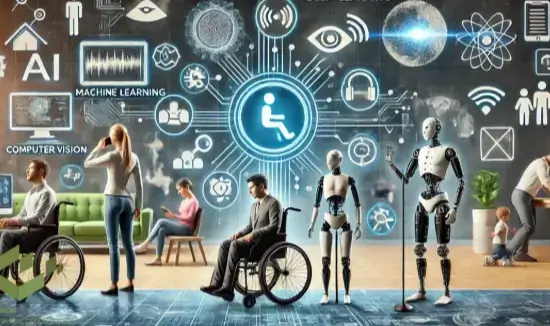

AI is reshaping animation workflows with modular pipelines, measurable KPIs, and reproducible results. Automated motion capture, rigging, and puppeteer-style dynamics push realism and expressiveness while exposing challenges in real-time parity and nonuniform deformations. Aesthetics, pacing, and storytelling increasingly rely on intelligent systems to explore visual grammars within constrained budgets. Responsible adoption emphasizes transparent models, auditable prompts, and data governance. The balance of control and automation invites further scrutiny as pipelines scale and outcomes mature.
How AI Accelerates Animation Workflows
AI accelerates animation workflows by automating repetitive, low-level tasks and enabling rapid iteration. The approach emphasizes modular pipelines, measurable KPIs, and reproducible results, reducing cycle times while preserving control. Decisions address ai ethics and data governance, ensuring transparent models and auditable prompts. The mindset targets freedom through scalable tooling, risk assessment, and continuous improvement, aligning technical efficiency with responsible, forward-looking production practices.
What AI Changes About Character Motion and Rigging
The shift from automated workflows to character motion and rigging centers on how intelligent systems interpret, generate, and refine body dynamics within constrained puppeteer structures.
Motion tracking enables precise kinematic data capture, while rigging automation streamlines bone and control setup.
Challenges include real-time parity, nonuniform deformations, and scalable control schemes, driving forward adaptable, robust pipelines for expressive, unconstrained character performance.
continuous improvement.
See also: What Is Whale Watching in Cryptocurrency?
How AI Influences Aesthetics, Style, and Storytelling
This examination considers how intelligent systems reshape aesthetics, style, and storytelling in animation by coupling analytic patterning with creative constraint satisfaction. AI-driven processes influence aesthetic evolution and narrative texture, aligning form with function while preserving authorial intent. The approach enables scalable experimentation, identifying optimal visual grammars and pacing strategies, enabling designers to anticipate audience perception, converge on expressive ambitions, and accelerate inventive trajectory.
Evaluating Tools: How to Adopt AI in Your Pipeline
As AI-enabled capabilities become integrated into creative workflows, studios must assess tools through a structured evaluation framework that balances technical performance, compatibility, and workflow impact.
Evaluating tools emphasizes concept integration, reproducibility, and scalable pipelines while forecasting maintenance needs and support.
Ethical considerations, licensing, data handling, and bias mitigation shape selection.
A forward-looking, problem-solving approach enables freedom-focused teams to optimize adoption with minimal disruption.
Frequently Asked Questions
What Are the Ethical Implications of Ai-Generated Animation?
The ethics of automation arise from concerns over bias in generation and accountability. AI animation raises questions about ownership, labor displacement, and transparency; proactive governance can mitigate risks while preserving creative freedom through standards, oversight, and inclusive evaluation.
Can AI Replace Human Creativity in Animation Entirely?
AI cannot wholly replace human creativity in animation; it augments rather than substitutes. Overcoming doubt, the solution centers on AI ethics and copyright ownership, ensuring collaboration enhances rather than erodes artistic autonomy within forward-thinking, technically precise workflows.
How Does AI Impact Job Roles in Animation Studios?
AI alters roles by shifting focus to creative collaboration and oversight, not replacement; specialists leverage tools for workflow automation, freeing time for ideation, quality control, and complex tasks, while maintaining technical rigor and forward-thinking autonomy.
What Are the Licensing and Ownership Issues for Ai-Produced Content?
Licensing and ownership issues for AI-produced content hinge on data provenance and clear terms; attention economics shapes enforcement, while transparent provenance protocols enable fair use, proper attribution, and potential rights reallocation amid evolving algorithms and collaborative tooling.
How Can Small Studios Protect IP When Using AI Tools?
Small studios can protect IP by implementing explicit licensing ownership terms, robust workflow provenance, and clear attribution. The approach emphasizes protecting IP, controlling licensing ownership, and integrating auditable, forward-thinking guardrails within AI-assisted animation pipelines.
Conclusion
The integration of AI into animation represents a deliberate, scalable shift from manual toil to principled automation, enabling reproducible results without sacrificing creative intent. By standardizing workflows, validating outputs, and exposing auditable prompts, studios can diagnose bottlenecks, optimize pipelines, and push stylistic experimentation with confidence. Yet challenges remain in real-time parity and nonuniform deformations, demanding continual R&D and governance. Thus, AI is less a replacement than a catalyst—propelling forward-thinking teams to redefine efficiency, quality, and storytelling at scale, with accountability.